Emerging Contaminants, Real Impacts
Large Packaging Manufacturer Lakes Region, New Hampshire
Client Challenge
In January 1989, a fire occurred in solvent distillation equipment at a packaging manufacturer in the Lakes Region area of New Hampshire. Due to the fire, solvent-related volatile organic compounds (VOCs) were released into the ground surface, including chlorinated solvent known as perchloroethylene (PCE) along with alcohols and inks. During fire suppression, approximately 250,000 to 300,000 gallons of water used by the fire department were released onto the frozen ground surface and flowed about 800 feet downslope, accumulating in low-lying areas of a residential neighborhood adjacent to Lake Winnipesaukee.
In addition to the suppression water, Aqueous Film Forming Foam (AFFF), Class B firefighting foam, was used to put out the site fire. AFFF Class B firefighting foam is known to contain per- and poly-fluorinated alkyl substances (PFAS), including perfluorooctane sulfonate (PFOS) and perfluorooctanoic acid (PFOA), and are emerging groundwater contaminants. The result -- overburdened soils and bedrock groundwater at the site were impacted by solvent-related VOCs and PFAS.
Comprehensive Solution
Aries Engineering initiated a thorough site investigation to identify the nature and extent of source areas for remedial actions. Because the solvent contamination was present in the shallow bedrock aquifer, the site investigation work included:
A soil gas survey
Indoor air quality monitoring
Installation of both overburden and bedrock monitoring wells
A Very-Low Frequency (VLF) geophysical survey
Bedrock fracture fabric mapping
Assessment of off-site residential water supplies and indoor air quality
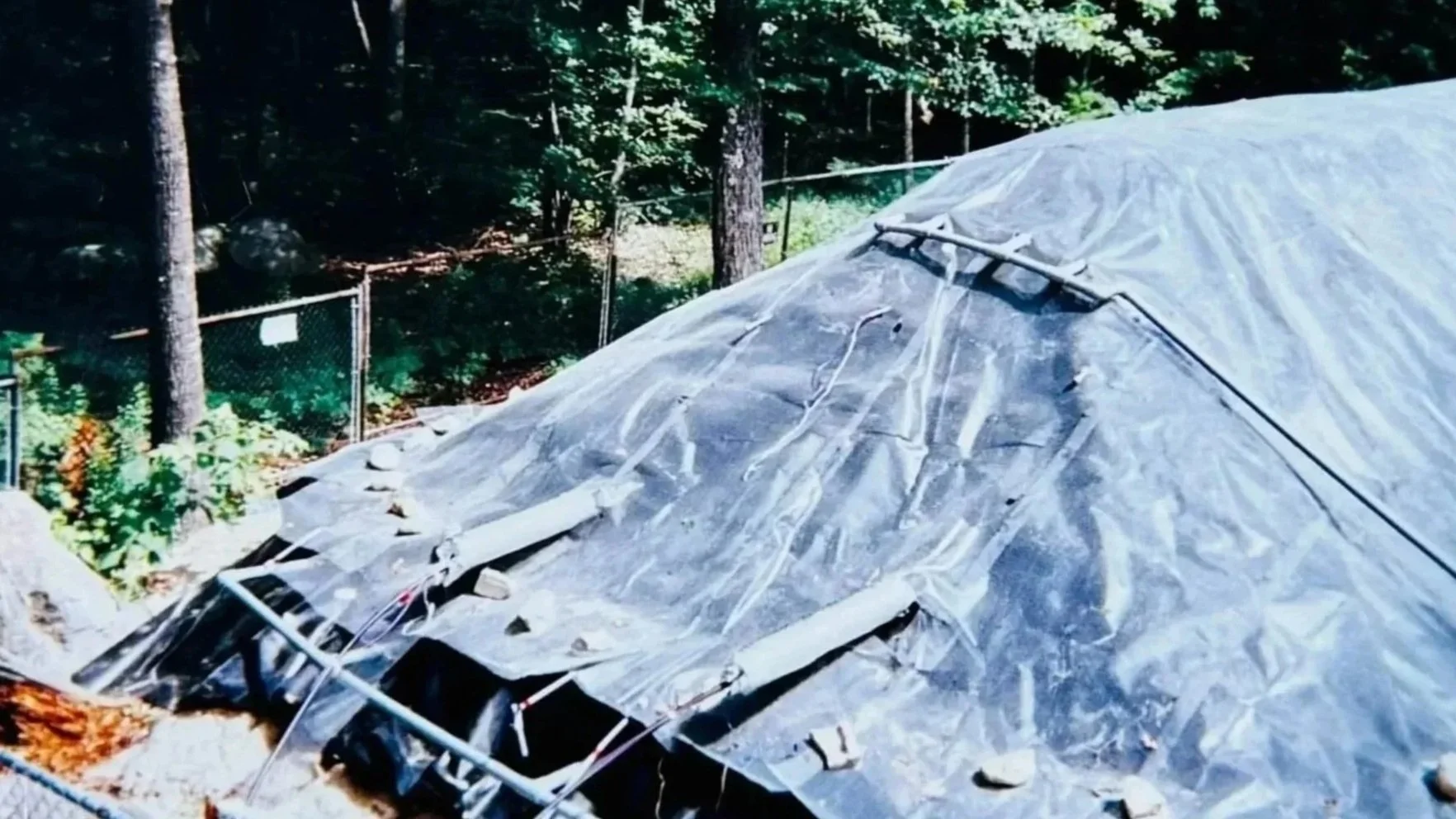
Aries completed an initial response action (IRA) consisting of excavation and onsite treatment of approximately 315 cubic yards of VOC‑impacted soil from the release area. Over a two‑month period, the soil was treated in place using thermally enhanced soil vapor extraction (SVE) with radiofrequency (RF) heating and recovered VOC vapors were captured on granular activated carbon for subsequent off‑site treatment and disposal. Following treatment, the soil met applicable criteria and was approved for reuse onsite.
To address off-site groundwater impacts, Aries sited, designed and managed the installation of an alternative water supply well system that provides drinking water to site-area contaminated properties.
Beneficial Outcome
The incident at at the packaging manufacturer was a sensitive event for the community causing significant concern. Aries Engineering created a NHDES-approved Remedial Action Plan (RAP), which was approved and successfully completed for managing residual groundwater impacts through monitored natural attenuation (MNA). Working with all the regulatory agencies and community stakeholders, Aries successfully:
Established a groundwater management zone and permit for the site and offsite groundwater impacts.
Removed highly contaminated soils from the source area.
Reduced source area groundwater VOC concentrations, by two orders of magnitude, indicate the initial response action (IRA) succeeded in removing the bulk of the site source area VOC mass.
Managed residual PFAS impacts in soil and groundwater in accordance with applicable state and federal regulations.